


Two people can have pain in the same spot on their lower back, yet have completely different problems. One may have a strained muscle, while another might have arthritis, a healed fracture, or a spinal curve. Even when symptoms look alike, what’s happening under the surface may tell a different story.
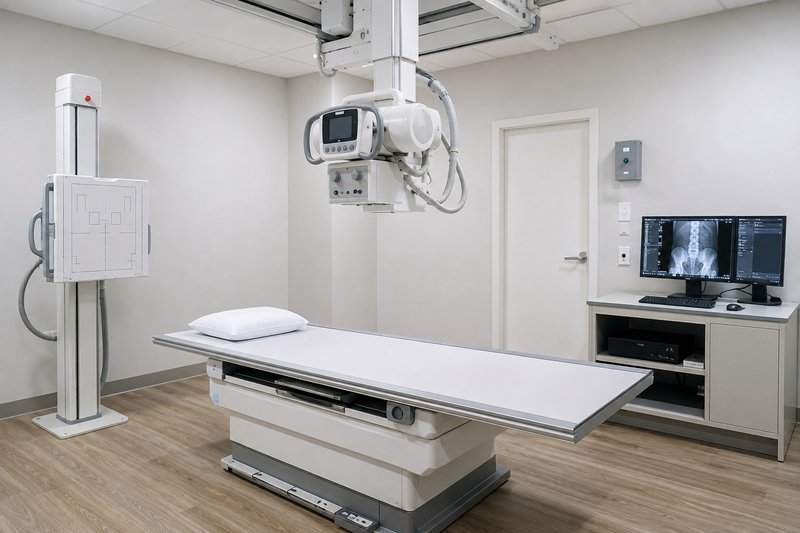
That’s why some chiropractors recommend a closer look before treatment. A chiropractor with digital X-rays can see details that aren’t visible during a hands-on examination alone, helping them to tailor the adjustment to your spine.
What X-Rays Can Reveal
A hands-on exam can give your chiropractor important information. They can see how you move, where you feel pain, and how your spine responds to touch. Still, some problems are hard to see or feel during a physical exam.
Digital X-rays can help reveal those details.
Wear and Breakdown in the Joints
Worn joints can feel similar to joints that are simply stiff or inflamed. On an X-ray, a chiropractor can see more clearly what’s happening inside the joint. The images can show the space between the joints and disc height. Changes in both can indicate more advanced wear.
This information helps the chiropractor identify areas that may require a more careful or modified approach based on the condition of the joint.
Old Injuries
Some changes from previous injuries may not be apparent from symptoms or a physical examination alone. Healed fractures, changes in alignment, or other structural differences may provide important information about the condition of your spine.
X-rays can reveal these findings and give your chiropractor additional information to consider when evaluating your spine and developing an appropriate approach to care.
Shape and Structure of Your Spine
Every spine has its own unique structure. Some people have unusual curves, rotated vertebrae, or natural differences in the shape and angle of their bones and joints.
These findings often affect how and in what direction an adjustment should be performed to best work with your spine and its shape.
How X-Rays Can Support Your Exam
An exam can point your chiropractor in the right direction. The X-ray can verify what they found and provide more detail.
If a physical exam still leaves your chiropractor with questions about what’s wrong or what the best course of treatment is, digital X-rays are often the appropriate next step. Chiropractic care for arthritis is different from whiplash care, and an accurate diagnosis supported by digital X-ray can help ensure you get the right treatment.
The combination of a physical exam and X-ray can reduce guesswork. Instead of relying only on what they feel or detect through touch and movement, the chiropractor has both functional information from the exam and structural information from the images.
How the Findings Can Affect an Adjustment
When needed, digital X-rays can help diagnose a problem and influence how it’s treated. These images often help your chiropractor personalize your care by answering some important treatment questions, like:
- Where should the adjustment be made? The painful area isn’t always the source of the problem. X-rays help pinpoint the spinal level causing problems and can strengthen the findings from an exam.
- Which technique fits this spine? Healthy joints, worn joints, and joints affected by previous injuries don’t always respond in the same way to treatment. A detailed evaluation helps a chiropractor determine the approach that best fits the condition of each area.
- Which direction should the adjustment go? The position of your vertebrae helps determine the best angle for treatment.
- How much force is appropriate? The condition of your spine can help your chiropractor assess the right amount of pressure to use during an adjustment to prevent further injury.
These decisions are based on a complete evaluation, not just the X-ray images. The images can give important information that can’t be gathered through a physical exam.
When Digital X-Rays May Be Recommended
X-rays are an important part of the Gonstead examination process because they provide detailed information about the structure and condition of the spine. Your chiropractor may recommend digital X-rays when they can provide additional information to help guide your care.
If you have a clear-cut concern, uncomplicated history, and your exam doesn’t show anything unusual, imaging may not be necessary. In those cases, a thorough examination and hands-on care may be all you need. The goal is to use imaging to help the patient.
X-rays can be especially helpful when the exam alone still leaves questions. They may be recommended for patients with:
- A history of injuries
- Previous surgery
- Structural changes
- Possible nerve involvement
- Unclear exam findings
- Symptoms that haven’t improved with treatment
X-rays are most helpful when they answer a question the exam couldn’t answer and provide information that influences care.
How Digital X-Rays Can Benefit Your Treatment
A physical examination and digital X-rays each provide different pieces of information. The exam shows how your body moves and responds, while an X-ray can reveal structural details that may not be obvious from the outside.
When your Gonstead chiropractor in Keokuk considers those findings together, they can build a more complete understanding of what’s causing your pain. That information may change adjustment techniques.
While X-rays provide valuable structural information, they do not show everything that may contribute to pain. But they are one more tool your chiropractor can use to make your care more personal and precise.